Meal kits vs grocery shopping: which is better for you?
A fair comparison of cost, time, waste and flexibility, so you can decide what suits your week.
By the Fresh Meal Finds team · Updated November 2026 · 5 min read
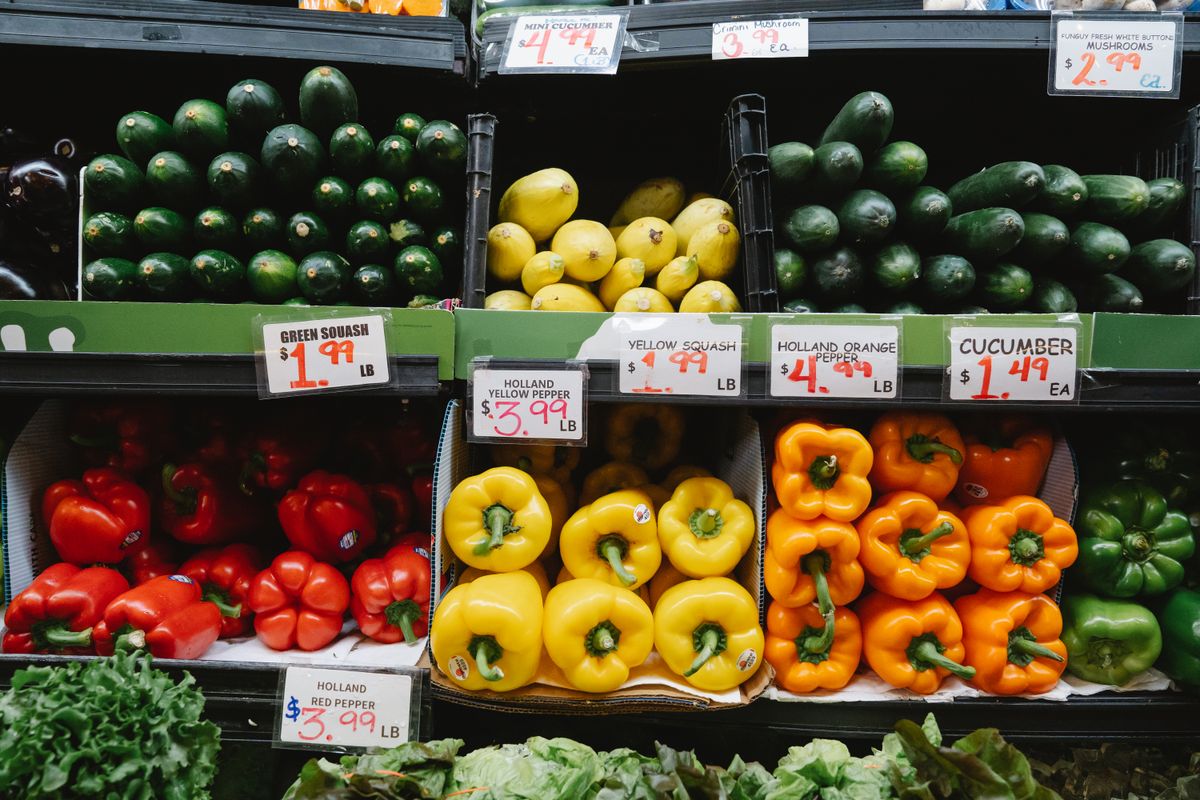
Meal kits and regular grocery shopping solve the same problem in different ways. Neither is right for everyone, so it helps to compare them on the things that matter most to you.
| Meal kit | Grocery shopping | |
|---|---|---|
| Cost per serving | Usually higher than cooking from scratch | Usually lower, especially with bulk buying |
| Planning time | Very little: recipes are chosen for you | You plan, list and shop yourself |
| Food waste | Low: ingredients come pre-portioned | Depends on planning and storage |
| Flexibility | Limited to the weekly menu | Cook anything you like |
| Packaging | More individual packaging | Less, if you bring bags and buy loose |
When a meal kit makes sense
- You often end up ordering takeaway because you have no plan.
- You want to learn new recipes without buying a whole jar of every spice.
- You throw away a lot of half-used ingredients.
When groceries make more sense
- You enjoy planning and already cook most nights.
- You are cooking for a large family on a tight budget.
- You have strict dietary needs that a kit menu cannot meet.
Try a mix: many people use a kit for two or three busy nights and shop normally for the rest of the week.
How to compare fairly
For one week, note what you spend on groceries, snacks and takeaway, and how much food goes in the bin. Then compare that with the regular, non-discounted price of a kit for the same number of meals.
This guide is general information. Prices, menus and terms are set by each provider and can change, so always check the provider's own site before ordering.


